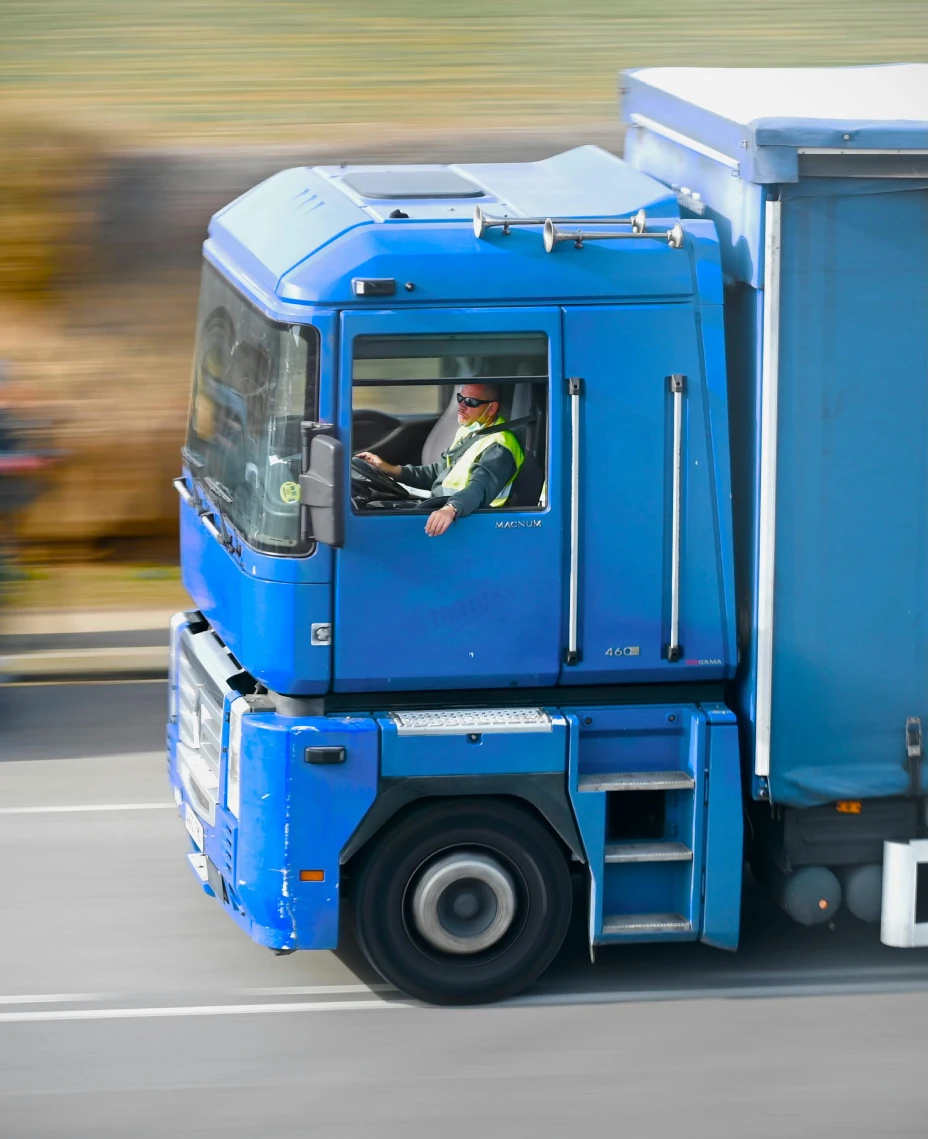
AI Video Telematics Helps Long-Haul Drivers Avoid Accidents
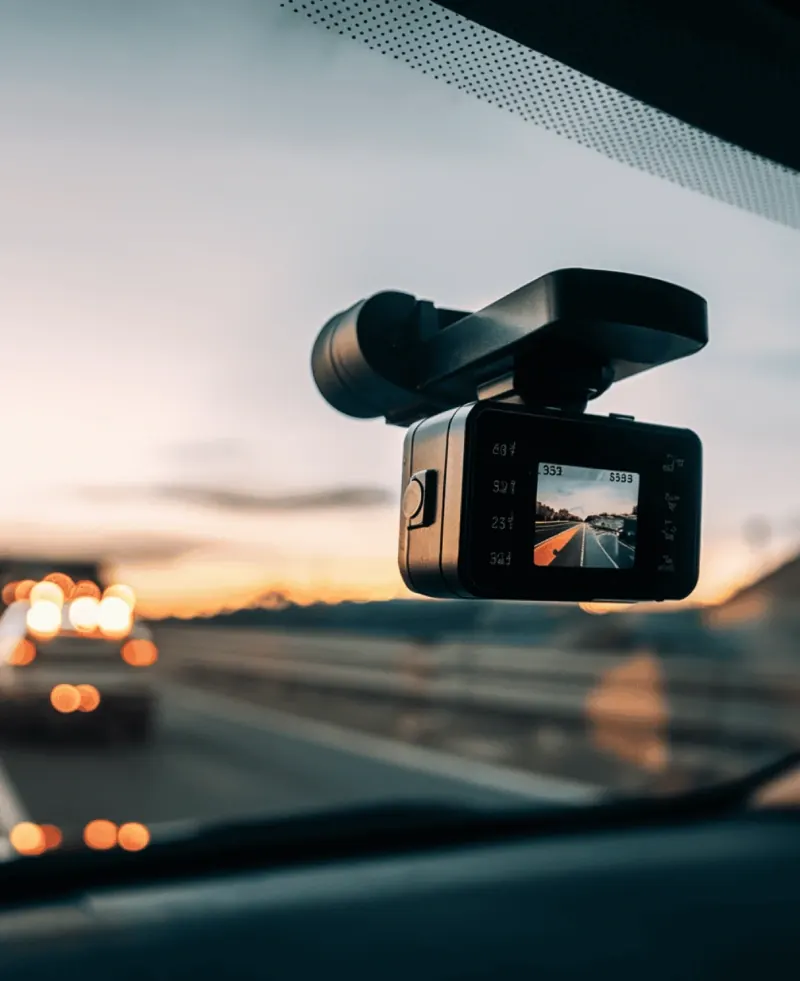
Long-haul operations face daily safety risks across highways, regional roads, urban delivery points, and remote freight routes. Telematica AI video telematics helps fleets across Canada improve visibility, reduce collisions, and support safer driver decisions. Using AI-powered fleet cameras, managers can detect risky events earlier, review incidents faster, and gain meaningful context from the road and the cab. The result is a stronger safety culture and better control over day-to-day fleet performance.
Leading companies choose Telematica fleet management software
Why AI video telematics?
Long-haul fleets need more than location data. They also need road context, driver visibility, and early warnings for risky situations. Telematica AI video telematics helps fleets in Canada detect dangerous behaviour, review incidents with clarity, and improve safety performance across every trip.
The real problems long-haul fleets face
Driver fatigue and distraction during long hours behind the wheel
Limited visibility into risky on-road behaviour before a collision occurs
Challenges proving what happened during incidents and insurance claims
Unsafe following distance, harsh braking, and poor lane discipline
Difficulty coaching drivers when managers only see delayed or incomplete information
High costs caused by preventable crashes, downtime, repairs, and liability exposure
Reduce collisions before they happen
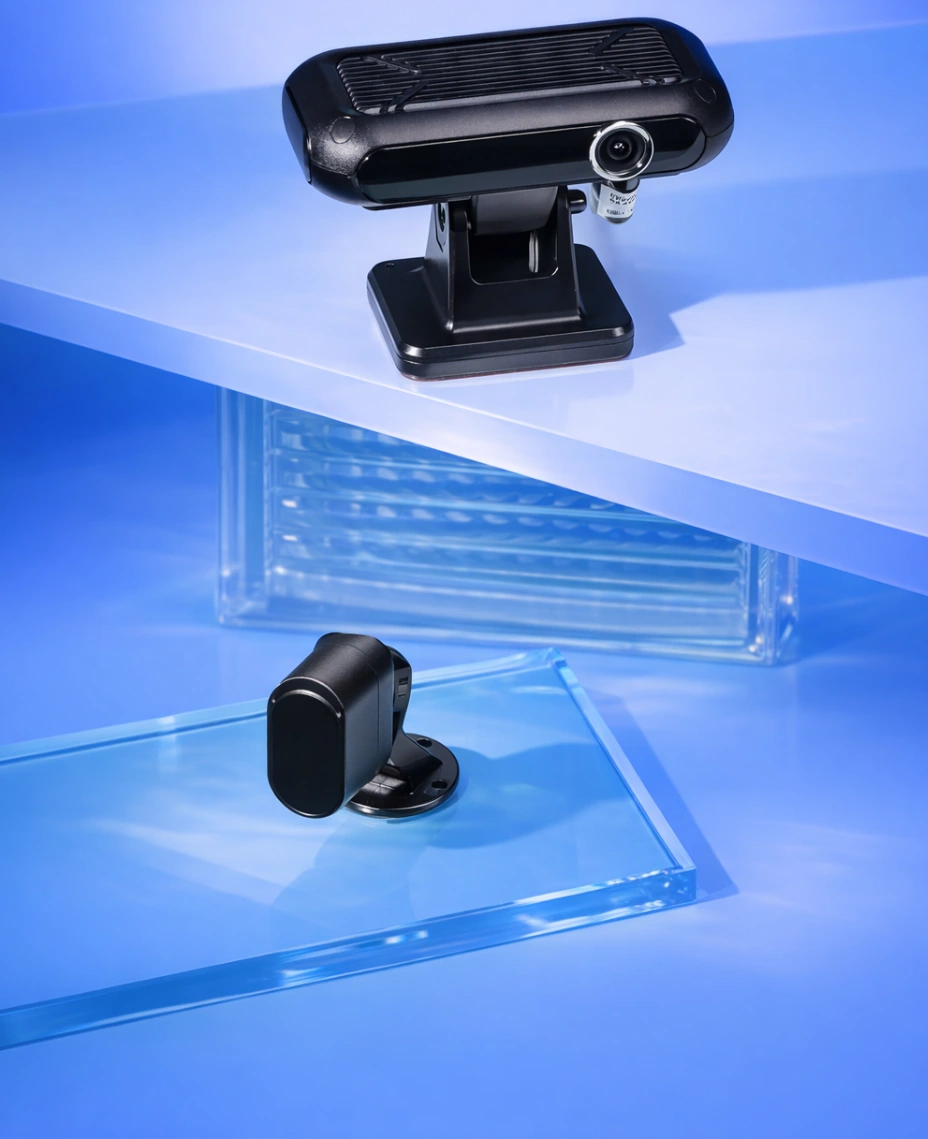
Cut collision risk with AI fleet cameras using road-facing and driver-facing video. Telematica AI video telematics helps fleets identify unsafe behaviour early so action can be taken before a serious incident occurs.
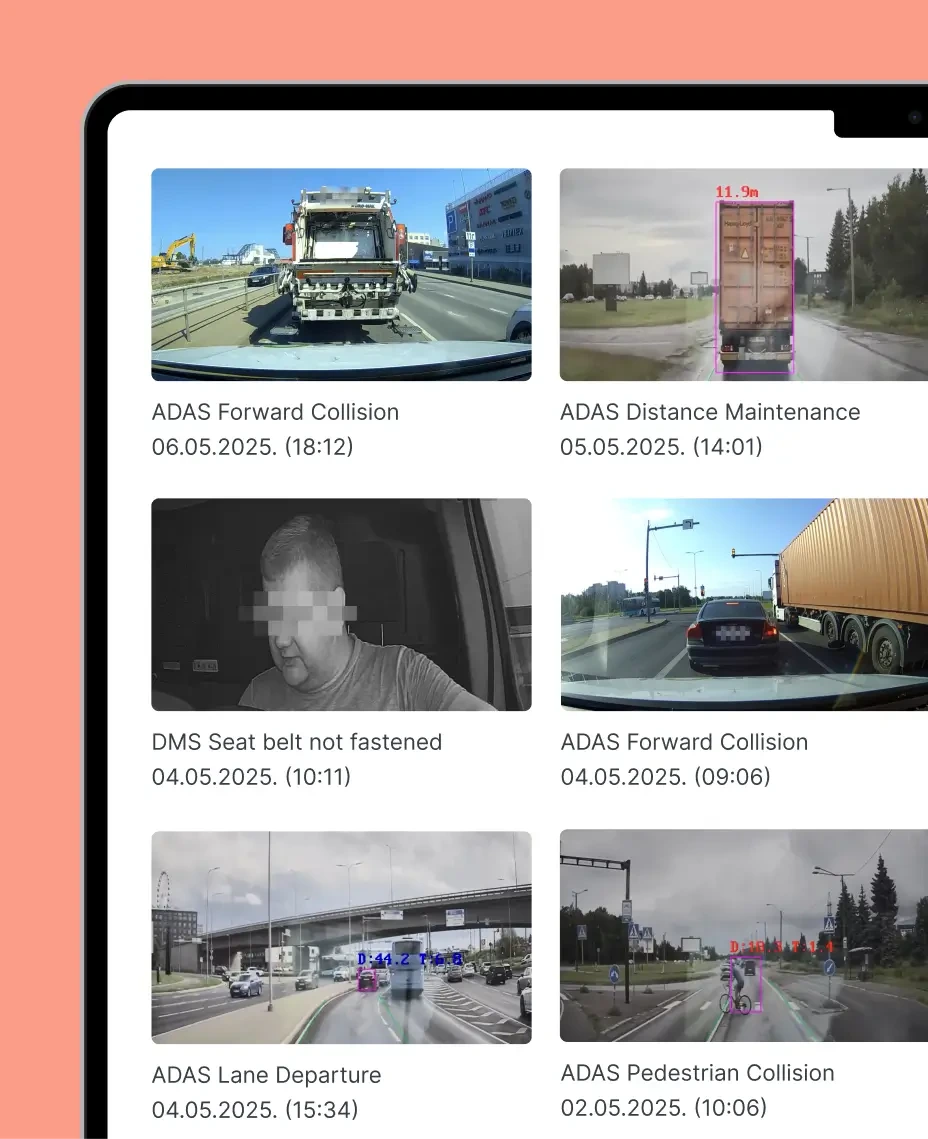
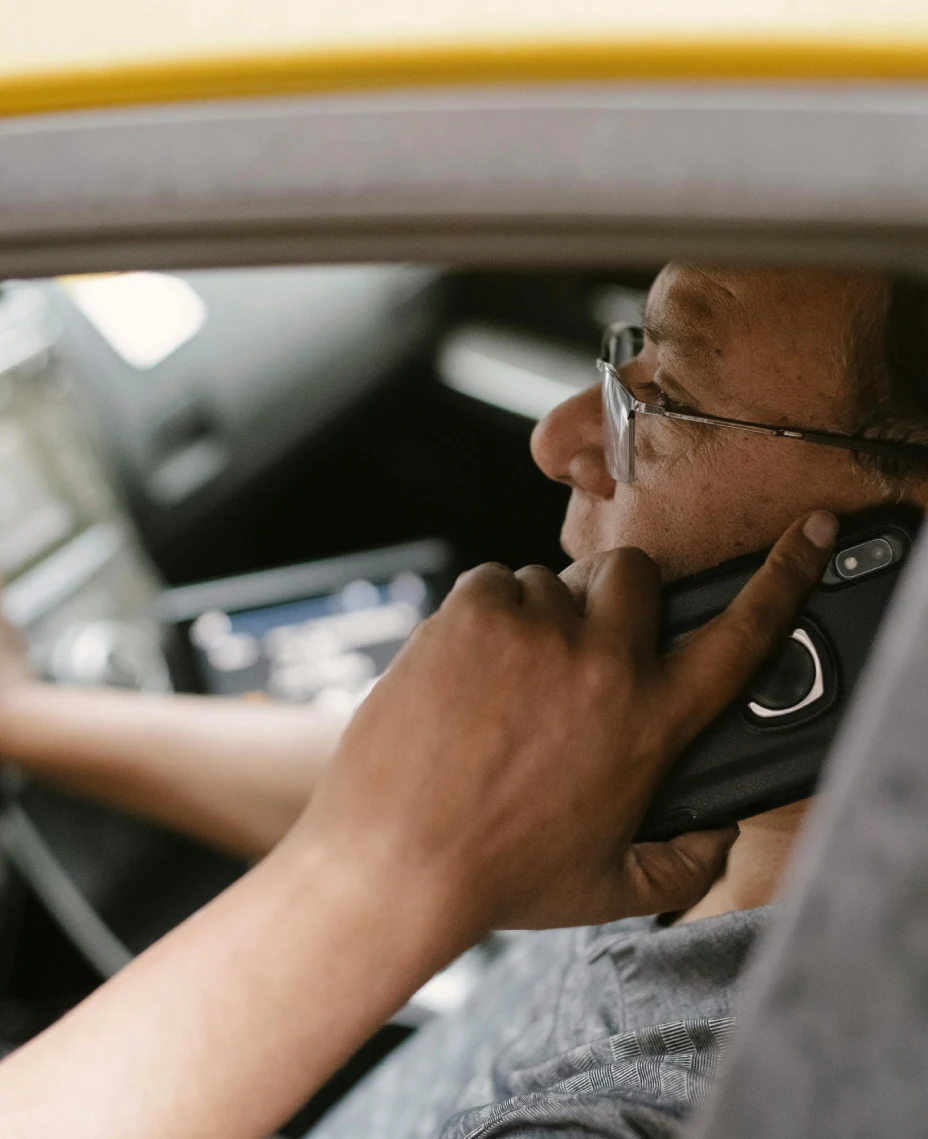
Faster detection of risky events such as harsh braking, close following, mobile phone use, and lane drift gives managers stronger insight and more opportunities to coach drivers.
Driver Monitoring System (DMS)
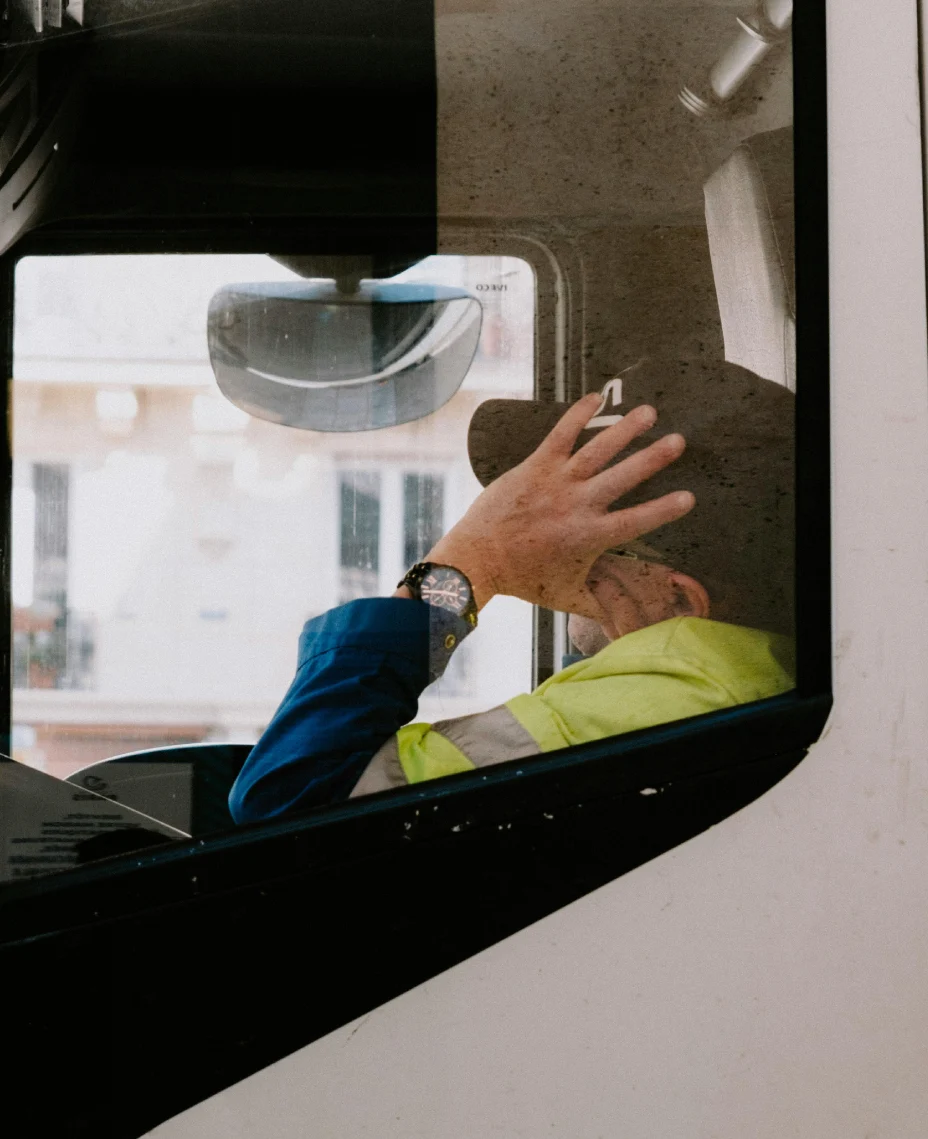
For long-haul operations, fatigue and distraction are key safety risks. DMS uses inward-facing AI cameras to detect risky driver behaviour and alert drivers in real time.
Phone use
Yawning
Eyes closed
Smoking
Driver distraction
No driver detected
Advanced Driver Assistance System (ADAS)
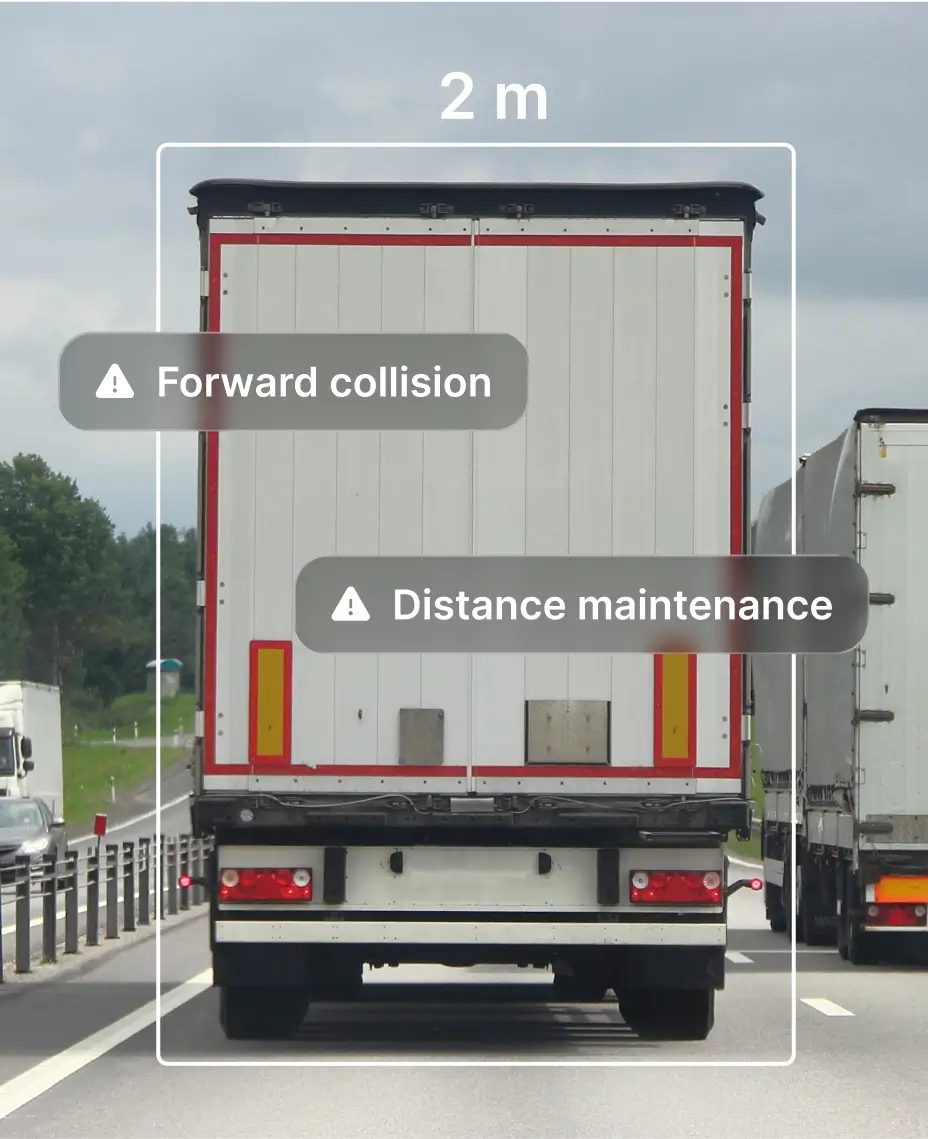
ADAS uses outward-facing AI cameras to identify hazards and support safer driving decisions. It helps drivers react earlier when traffic conditions change quickly on long-distance routes.
Forward collision warnings
Lane departure alerts
Unsafe following distance detection
Pedestrian and cyclist awareness support
When an incident happens, you have the answer
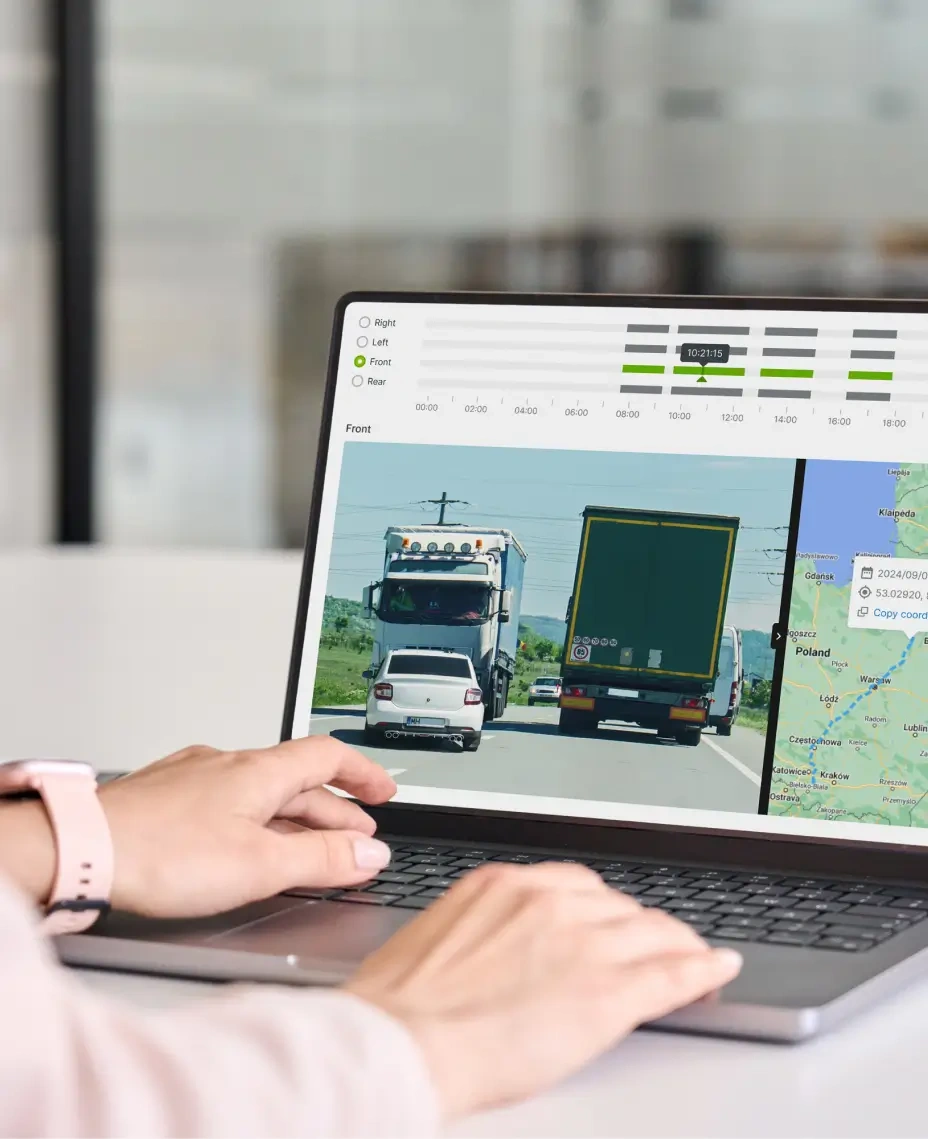
Access video footage quickly for incident investigation
Review events with accurate visual context from inside and outside the vehicle
Support insurance claims and dispute handling with better evidence
Reduce time spent collecting fragmented information after an accident
Learn more about AI-based video telematics
Explore how Telematica can help your fleet in Canada improve safety, reduce risk, and gain more actionable insight from connected AI fleet cameras.
Long-haul drivers need safety systems that help them without becoming a distraction. Telematica AI video telematics is designed to provide useful warnings, practical event context, and fairer reviews based on what really happened on the road.
Support driver coaching with objective video evidence
Use AI alerts to identify risk earlier
Build stronger trust through clearer event reviews
Lower preventable accident exposure across the fleet
Apply for AI fleet cameras and make your fleet as safe as ever before
Ready to improve long-haul fleet safety in Canada? Complete the form below and Telematica will help you choose the right AI video telematics solution for your operation.
FAQ
Frequently asked questions
Q: Do AI fleet cameras record all the time?
Recording behaviour depends on the camera configuration and your fleet’s chosen setup. Some systems continuously record, while others prioritise event-based footage, alerts, and key moments for review.
Q: How do drivers usually react to inward-facing cameras?
Many drivers are cautious at first, but they often respond more positively once they understand the system is there to improve safety, provide context during incidents, and support fairer coaching.
Q: Can AI cameras really help prevent accidents, or do they just record them?
AI cameras can do both. They record critical footage for review, but they also detect risky behaviour and provide alerts that help drivers and fleet managers respond earlier and reduce accident risk.
Q: What happens to the video data, and who can access it?
Video data is typically stored according to the platform and device settings chosen by the fleet. Access is generally limited to authorised users such as fleet managers, safety teams, or approved staff.
Q: Will AI video telematics replace driver coaching or safety training?
No. AI video telematics works best as a support tool. It strengthens coaching and training by giving managers objective event context, clearer examples, and faster insight into risk patterns.
Q: Is this useful for smaller fleets, or only large operations?
It can be valuable for both. Smaller fleets benefit from better visibility and incident support, while larger operations gain broader safety oversight, coaching opportunities, and stronger risk control.